

What is the maintenance frequency of Vacuum Inline RF Plasma Equipment?
Sep 18, 2026
Hey there! As a supplier of Vacuum Inline RF Plasma Equipment, I often get asked about the maintenance frequency of this kind of gear. So, I thought I'd share some insights on this topic.
First off, let's understand what Vacuum Inline RF Plasma Equipment is. It's a high - tech piece of machinery used in various industries, especially in semiconductor, LED, and LCD manufacturing. You can check out more about RF Plasma Equipment for Semiconductor Applications, LED RF Plasma Equipment, and LCD RF Plasma Equipment on our website.
Factors Affecting Maintenance Frequency
There are several factors that determine how often you should maintain your Vacuum Inline RF Plasma Equipment.
Usage Intensity
If your equipment is running 24/7, it's going to need more frequent maintenance compared to one that's used only a few hours a week. High - intensity usage puts more stress on the components, causing them to wear out faster. For example, the power supply and the plasma generator are constantly under load, and their performance can degrade over time. So, if you're using the equipment non - stop for large - scale production, you might need to perform maintenance every few weeks.
Operating Environment
The environment in which the equipment is placed also plays a big role. If the equipment is in a dirty or dusty environment, the filters and internal components can get clogged more quickly. Moisture can also cause corrosion, especially in areas with high humidity. In such cases, you'll need to clean and inspect the equipment more often. On the other hand, if the equipment is in a clean, climate - controlled environment, the maintenance intervals can be longer.
Quality of Components
The quality of the components used in the equipment matters a lot. High - quality components are generally more durable and require less frequent maintenance. When we manufacture our Vacuum Inline RF Plasma Equipment, we use top - notch components to ensure reliability and reduce the need for frequent repairs. However, even with high - quality parts, regular maintenance is still necessary to keep the equipment in optimal condition.
General Maintenance Schedule
Based on our experience and industry standards, here's a general maintenance schedule for Vacuum Inline RF Plasma Equipment.
Daily Checks
- Visual Inspection: Every day, you should do a quick visual inspection of the equipment. Look for any signs of damage, such as loose wires, leaks, or abnormal wear on the components. Check the vacuum chamber for any debris or contamination.
- Functionality Check: Make sure all the controls and indicators are working properly. Test the power supply, the plasma ignition, and the vacuum pump. If you notice any issues, address them immediately.
Weekly Maintenance
- Filter Cleaning/Replacement: The filters in the equipment are crucial for keeping the internal environment clean. Depending on the usage, you may need to clean or replace the filters on a weekly basis. A clogged filter can reduce the efficiency of the equipment and even cause damage to other components.
- Vacuum System Check: Check the vacuum system for leaks. You can use a leak detector to identify any potential leaks. A leak in the vacuum system can affect the plasma generation and the overall performance of the equipment.
Monthly Maintenance
- Component Inspection: Once a month, you should perform a more detailed inspection of the components. Check the electrodes, the plasma generator, and the power supply for any signs of wear or damage. Tighten any loose connections and replace any worn - out parts.
- Calibration: Calibrate the equipment to ensure accurate operation. This includes calibrating the power output, the plasma density, and the vacuum level. Calibration helps to maintain the quality of the plasma treatment and ensures consistent results.
Quarterly Maintenance
- Deep Cleaning: Every three months, perform a deep cleaning of the equipment. This involves disassembling some of the components and cleaning them thoroughly. Pay special attention to the vacuum chamber, the electrodes, and the gas lines.
- Performance Testing: Conduct comprehensive performance tests on the equipment. Measure the plasma parameters, such as the plasma density, temperature, and uniformity. Compare the results with the specifications to ensure that the equipment is operating within the acceptable range.
Importance of Regular Maintenance
Regular maintenance of Vacuum Inline RF Plasma Equipment is not just about keeping the equipment running; it's also about ensuring the quality of the products. Here's why it's so important:
Product Quality
Proper maintenance helps to maintain the consistency of the plasma treatment. If the equipment is not maintained properly, the plasma parameters can fluctuate, leading to inconsistent treatment results. This can affect the quality of the semiconductor chips, LED displays, or LCD panels being produced.

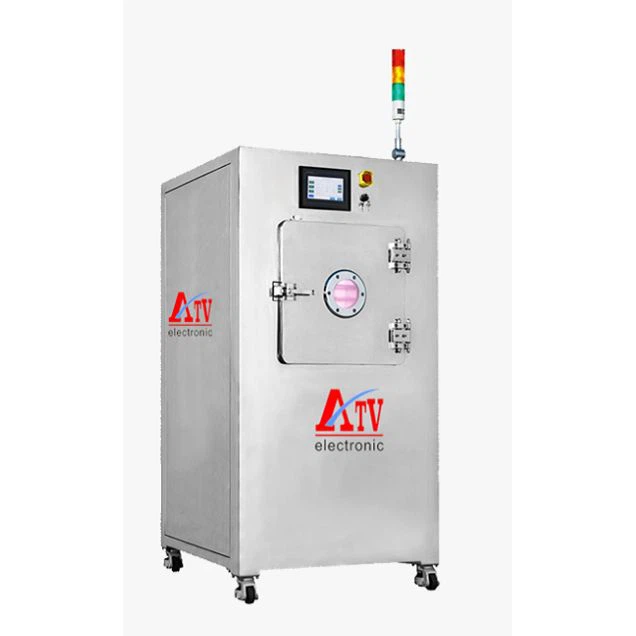
Equipment Lifespan
Regular maintenance can significantly extend the lifespan of the equipment. By replacing worn - out parts and keeping the components clean, you can prevent major breakdowns and costly repairs. This saves you money in the long run and ensures that your equipment is always in good working condition.
Safety
A well - maintained equipment is a safe equipment. Regular inspections can identify potential safety hazards, such as electrical faults or gas leaks. By addressing these issues promptly, you can prevent accidents and ensure the safety of your operators.
Conclusion
So, there you have it! The maintenance frequency of Vacuum Inline RF Plasma Equipment depends on several factors, including usage intensity, operating environment, and component quality. By following a regular maintenance schedule, you can keep your equipment running smoothly, ensure the quality of your products, and extend the lifespan of the equipment.
If you're in the market for Vacuum Inline RF Plasma Equipment or need more information about maintenance, don't hesitate to reach out. We're here to help you make the best decisions for your business.
References
- Industry standards for plasma equipment maintenance
- Manufacturer's guidelines for Vacuum Inline RF Plasma Equipment