

What is the calibration frequency of LCD RF Plasma Equipment?
Sep 05, 2026
Hey there! As a supplier of LCD RF Plasma Equipment, I often get asked about the calibration frequency of this kind of equipment. So, I thought I'd write this blog to share some insights on it.
First off, let's quickly understand what LCD RF Plasma Equipment is. It's a crucial piece of gear used in the LCD manufacturing process. Plasma is created by applying radio - frequency (RF) energy to a gas, and this plasma can be used for various purposes like cleaning, etching, and surface modification of LCD components.
Now, onto the main question: what's the calibration frequency? Well, there isn't a one - size - fits - all answer. The calibration frequency depends on several factors.
Factors Affecting Calibration Frequency
1. Usage Intensity
If your LCD RF Plasma Equipment is running non - stop, say in a high - volume manufacturing plant, it'll need more frequent calibration. Continuous operation can cause wear and tear on the components, which may lead to changes in the plasma parameters. For example, the electrodes might get eroded over time, affecting the plasma density and uniformity. In such a scenario, I'd recommend calibrating the equipment at least once a month.
On the other hand, if the equipment is used sporadically, like in a research lab where it's only used a few times a week, a quarterly calibration might be sufficient.
2. Environmental Conditions
The environment in which the equipment operates plays a big role. If the equipment is in a dirty or dusty environment, particles can accumulate on the internal components. This can interfere with the proper functioning of the RF system and the plasma generation. In a cleanroom environment, the calibration frequency can be less frequent compared to a factory floor where there's more dust and debris.
For instance, in a well - maintained cleanroom with strict environmental controls, calibration every two to three months could be okay. But in a less - controlled industrial setting, monthly calibration might be necessary.
3. Precision Requirements
The level of precision needed in your LCD manufacturing process also determines the calibration frequency. If you're producing high - end LCDs with very strict specifications, you'll need to calibrate more often. For example, if you're making OLED - type LCDs that require extremely precise surface treatments, you might need to calibrate weekly or even more frequently.
In contrast, if you're making more basic LCDs for less demanding applications, a less frequent calibration schedule can be followed.
Why Calibration is So Important
Calibration ensures that the LCD RF Plasma Equipment is operating at its optimal performance. When the equipment is calibrated correctly, it can produce consistent plasma parameters. This is crucial for the quality of the LCD products.
For example, if the plasma density is not calibrated correctly, it can lead to uneven etching or cleaning of the LCD components. This can result in defects in the final product, such as uneven display brightness or color variations.
Moreover, calibration helps in maintaining the safety of the equipment. Incorrectly calibrated equipment can pose risks, such as electrical hazards or overheating.
How to Determine the Right Calibration Frequency
The best way to determine the calibration frequency is to start with a baseline. Look at the manufacturer's recommendations. Most manufacturers of LCD RF Plasma Equipment will provide a general guideline on how often the equipment should be calibrated.

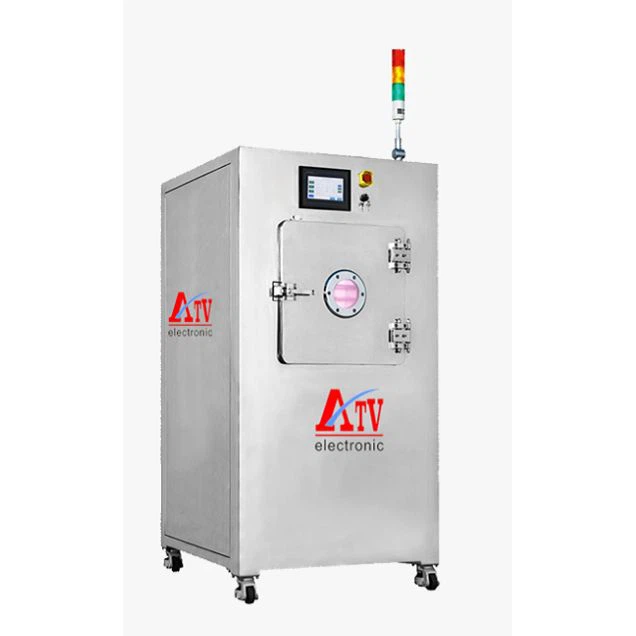
Then, monitor the performance of the equipment over time. Keep track of any changes in the plasma parameters, such as plasma density, temperature, and power consumption. If you notice any significant changes, it might be a sign that the equipment needs to be calibrated.
You can also consult with other users of similar equipment. Industry forums and user groups can be great resources to learn about the calibration experiences of others.
Related Plasma Equipment
There are other types of plasma equipment that are related to LCD RF Plasma Equipment. For example, LED RF Plasma Equipment is used in the manufacturing of LED displays. Although the basic principles of plasma generation are similar, the specific requirements and calibration frequencies might be different.
Another related type is RF Plasma Equipment for Semiconductor Applications. Semiconductor manufacturing often requires even higher precision, so the calibration frequency for this type of equipment might be more frequent.
Wrapping Up
Determining the calibration frequency of LCD RF Plasma Equipment is a complex process that depends on multiple factors. There's no single answer that fits all situations. But by considering usage intensity, environmental conditions, and precision requirements, you can come up with a calibration schedule that ensures the optimal performance of your equipment and the quality of your LCD products.
If you're in the market for LCD RF Plasma Equipment or need more information about calibration, don't hesitate to reach out. We're here to help you make the best decisions for your manufacturing process.
References
- Plasma Technology in Display Manufacturing: Principles and Applications.
- Handbook of LCD Manufacturing Processes.