

How to calibrate LCD RF Plasma Equipment?
Oct 07, 2026
Hey there! I'm from a company that supplies LCD RF Plasma Equipment. If you're into this field, you probably know how crucial it is to have your equipment calibrated correctly. In this blog, I'll walk you through the steps on how to calibrate LCD RF Plasma Equipment.
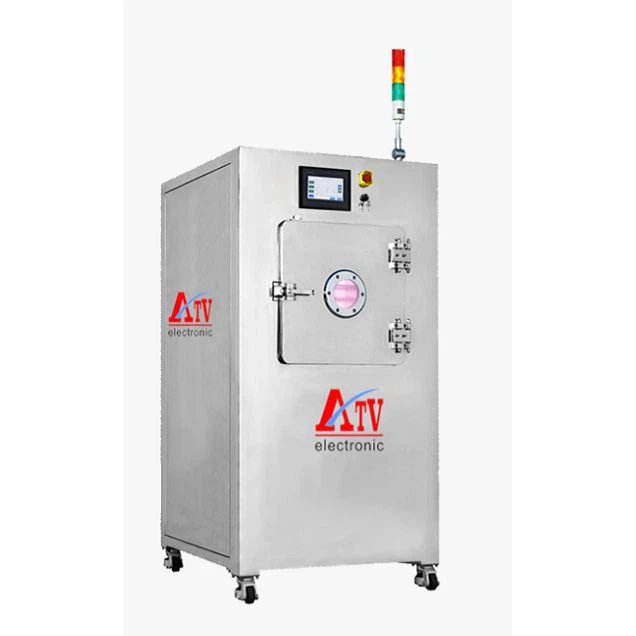
First off, let's understand what LCD RF Plasma Equipment is. It's a specialized machine used in various industries, especially in the LCD manufacturing process. This equipment uses radio frequency (RF) to generate plasma, which is then used for surface treatment, cleaning, and other processes. You can check out more about LCD RF Plasma Equipment on our website.
Why Calibration is Important
Calibration is like giving your equipment a health check-up. It ensures that the equipment is working accurately and consistently. If your LCD RF Plasma Equipment isn't calibrated properly, you might end up with inconsistent results in your manufacturing process. This could lead to defects in the LCDs, which is a big no-no in the industry. So, calibration is not just a nice-to-have; it's a must-have.
Pre - Calibration Checks
Before you start the calibration process, there are a few things you need to do. First, make sure the equipment is clean. Any dirt or debris can affect the calibration results. Also, check all the connections. Loose connections can cause fluctuations in the RF power, which will mess up the calibration.
Next, check the gas supply. The gas used in the plasma generation process needs to be at the right pressure and flow rate. If the gas supply is off, the plasma won't be generated correctly, and the calibration will be off too.
Step - by - Step Calibration Process
1. Power Calibration
The first step in calibrating LCD RF Plasma Equipment is to calibrate the RF power. You'll need a power meter for this. Connect the power meter to the RF output of the equipment. Then, set the equipment to a known power level. Compare the reading on the power meter with the set power level. If there's a difference, adjust the power settings on the equipment until the reading on the power meter matches the set power level.
2. Frequency Calibration
The frequency of the RF signal is also crucial. You can use a frequency counter to measure the frequency of the RF signal. Set the equipment to a specific frequency and check the reading on the frequency counter. If the reading is off, you'll need to adjust the frequency settings on the equipment. This might require some technical knowledge, so if you're not sure, it's best to consult an expert.

3. Pressure Calibration
The pressure inside the plasma chamber is another important factor. You can use a pressure gauge to measure the pressure. Set the equipment to a specific pressure and compare the reading on the pressure gauge with the set pressure. If there's a difference, adjust the pressure control settings on the equipment.
4. Plasma Density Calibration
Measuring the plasma density is a bit more complicated. You can use a Langmuir probe to measure the plasma density. Insert the Langmuir probe into the plasma chamber and take readings. Compare the readings with the expected plasma density for your specific application. If the density is off, you might need to adjust the gas flow rate or the RF power.
Post - Calibration Checks
After you've completed the calibration process, it's important to do some post - calibration checks. Run a test batch of LCDs through the equipment. Check the quality of the LCDs. Look for any signs of defects, such as uneven surface treatment or poor cleaning. If you notice any issues, you might need to go back and re - calibrate the equipment.
Other Related RF Plasma Equipment
We also offer RF Plasma Equipment for Semiconductor Applications and Vacuum Inline RF Plasma Equipment. These are also important in different industries, and the calibration process for them has some similarities and differences compared to LCD RF Plasma Equipment.
Conclusion
Calibrating LCD RF Plasma Equipment is a complex but essential process. It ensures that your equipment is working at its best, which in turn leads to high - quality LCD products. If you're having trouble with calibration or need more information about our LCD RF Plasma Equipment, don't hesitate to reach out. We're here to help you get the most out of your equipment. Whether you're a small - scale manufacturer or a large - scale production facility, we have the right solutions for you. So, if you're interested in purchasing our equipment or need further assistance, feel free to contact us for a procurement discussion.
References
- Plasma Physics and Engineering by M. A. Lieberman and A. J. Lichtenberg
- Handbook of Plasma Processing Technology: Fundamentals, Etching, Deposition, and Surface Interactions by Stephen M. Rossnagel, J. J. Cuomo, and W. D. Westwood