

What are the ventilation requirements for the operation of PU Horizontal Plasma Equipment?
Sep 08, 2026
Hey there! As a supplier of PU Horizontal Plasma Equipment, I often get asked about the ventilation requirements for operating this kind of equipment. So, I thought I'd share some insights on this topic in this blog post.
Why Ventilation Matters
First off, let's talk about why ventilation is so important when it comes to running PU Horizontal Plasma Equipment. Plasma treatment involves creating a high - energy environment where gas is ionized. During this process, various by - products are produced. These can include ozone, volatile organic compounds (VOCs), and small particles.
Ozone is a powerful oxidizing agent. In high concentrations, it can be harmful to human health, causing respiratory problems, eye irritation, and even long - term damage to the lungs. VOCs, on the other hand, can contribute to air pollution and may also have negative health effects, such as headaches, dizziness, and in some cases, can be carcinogenic. The small particles generated during the plasma process can also be inhaled, leading to potential health risks.
Proper ventilation helps to remove these harmful substances from the working environment, ensuring the safety and well - being of the operators. It also helps to maintain the quality of the plasma treatment by preventing the build - up of contaminants in the equipment and the surrounding area.
Ventilation System Requirements
Airflow Rate
The airflow rate is a crucial factor in ventilation. It needs to be sufficient to remove the by - products generated during the operation of the PU Horizontal Plasma Equipment. The required airflow rate depends on several factors, such as the size of the equipment, the power of the plasma generator, and the type of materials being treated.
As a general rule of thumb, for a small - to medium - sized PU Horizontal Plasma Equipment, an airflow rate of around 500 - 1000 cubic feet per minute (CFM) may be sufficient. However, for larger equipment or when treating materials that produce a high amount of by - products, the airflow rate may need to be increased to 1500 - 2000 CFM or even higher.
Ducting
The ducting system is responsible for transporting the contaminated air from the equipment to the outside. It should be properly sized and installed to ensure efficient airflow. The ducting should be made of materials that are resistant to corrosion and can withstand the high - energy environment of the plasma process.
A smooth - walled duct is preferred to minimize resistance to airflow. The length of the duct should be kept as short as possible to reduce pressure drop. Additionally, the duct should be properly sealed to prevent air leakage, which can reduce the efficiency of the ventilation system.
Filtration
Filtration is an important part of the ventilation system. It helps to remove the small particles and some of the VOCs from the air before it is exhausted outside. A high - efficiency particulate air (HEPA) filter can be used to capture the small particles. For VOC removal, activated carbon filters can be effective.
The filters need to be regularly maintained and replaced to ensure their effectiveness. A clogged filter can reduce the airflow rate and increase the pressure drop in the ventilation system, which can lead to poor ventilation performance.
Specific Considerations for Different Applications
Our PU Horizontal Plasma Equipment can be used in various applications, and the ventilation requirements may vary depending on the specific use case.
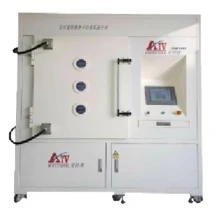

Automotive Interior
When using our Horizontal Plasma Equipment for Automotive Interior, the materials being treated often include plastics, fabrics, and leather. These materials can release different types of VOCs during the plasma treatment.
The ventilation system needs to be designed to handle the specific VOCs generated by these materials. For example, if the automotive interior parts are made of PVC, the ventilation should be able to deal with the chlorine - containing VOCs that may be produced. The airflow rate may also need to be adjusted based on the size and number of parts being treated.
PVC Treatment
For PVC Horizontal Plasma Equipment, PVC materials can release chlorine - based compounds during the plasma process. These compounds are not only harmful to human health but can also corrode the ventilation system if not properly removed.
A ventilation system for PVC treatment should have a high - efficiency filtration system to capture the chlorine - containing particles and gases. The ducting materials should be resistant to chlorine corrosion, such as stainless steel or PVC - coated materials.
Battery Cells
When using Horizontal Plasma Equipment for Battery Cells, the treatment process may generate some flammable gases and small particles. The ventilation system needs to be designed to prevent the accumulation of these flammable gases to avoid potential fire hazards.
An explosion - proof ventilation system may be required in some cases. The airflow rate should be sufficient to quickly remove the flammable gases from the working area. Additionally, the filtration system should be able to capture the small particles generated during the battery cell treatment.
How to Ensure Proper Ventilation
To ensure proper ventilation for your PU Horizontal Plasma Equipment, here are some steps you can take:
- Conduct a Ventilation Assessment: Before installing the equipment, have a professional conduct a ventilation assessment of the working area. They can determine the appropriate airflow rate, ducting size, and filtration requirements based on the specific equipment and application.
- Regular Maintenance: Regularly inspect and maintain the ventilation system. This includes checking the airflow rate, cleaning or replacing the filters, and ensuring the ducting is in good condition.
- Operator Training: Train the operators on the importance of ventilation and how to operate the ventilation system correctly. They should be aware of the potential hazards associated with poor ventilation and know what to do in case of a ventilation system failure.
Conclusion
Proper ventilation is essential for the safe and efficient operation of PU Horizontal Plasma Equipment. By understanding the ventilation requirements and taking the necessary steps to ensure proper ventilation, you can protect the health of your operators, improve the quality of the plasma treatment, and extend the lifespan of the equipment.
If you're interested in our PU Horizontal Plasma Equipment or have any questions about ventilation requirements, feel free to reach out to us. We're here to help you find the best solution for your needs.
References
- "Plasma Surface Treatment Technology" - Industry Handbook
- "Ventilation Design Guidelines for Industrial Equipment" - Professional Engineering Publication