

How to evaluate the cost - effectiveness of atmospheric plasma treatment equipment?
Aug 24, 2026
As a supplier of atmospheric plasma treatment equipment, I understand the importance of evaluating the cost - effectiveness of such machinery. In this blog, I will guide you through the key factors to consider when assessing the cost - effectiveness of atmospheric plasma treatment equipment, which will help you make an informed decision for your business.
1. Initial Investment
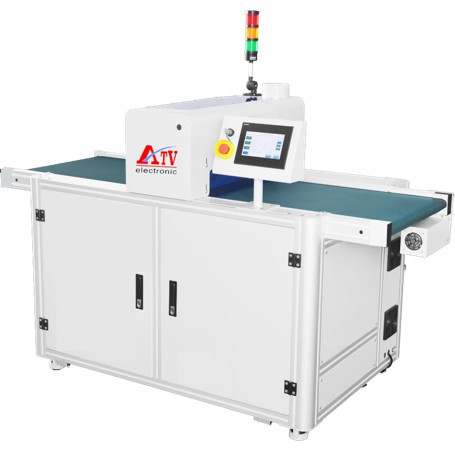
The first aspect to evaluate is the initial cost of the equipment. Atmospheric plasma treatment equipment comes in various types and configurations, each with its own price range. For example, Atmospheric Conveyor - Type Plasma Equipment is designed for continuous processing of flat or semi - flat workpieces. It usually has a relatively high initial cost due to its complex conveyor system and advanced control mechanisms.
On the other hand, Atmospheric Roller Plasma Equipment is more suitable for treating cylindrical or round objects. Its cost may be lower compared to the conveyor - type equipment in some cases, but it also depends on the size, power, and additional features.
Atmospheric Belt - Type Plasma Equipment is another option. It offers flexibility in handling different shapes and sizes of workpieces, and its price can vary based on the belt width, speed, and plasma generation technology.
When comparing the initial investment, it's crucial to look beyond the purchase price. Consider the installation costs, which may include electrical work, ventilation systems, and any required modifications to your workspace. Training costs for your operators should also be factored in. A well - trained operator can ensure the efficient and safe operation of the equipment, which is essential for long - term cost - effectiveness.
2. Operational Costs
Energy Consumption
Atmospheric plasma treatment equipment requires energy to generate and maintain the plasma. The energy consumption varies depending on the power rating of the equipment and the treatment process. High - power equipment may offer faster treatment speeds but could also result in higher electricity bills. To evaluate the energy - related cost - effectiveness, you need to understand the energy efficiency of the equipment. Some modern plasma treatment systems are designed with energy - saving features, such as adjustable power settings and intelligent control systems that optimize energy use based on the treatment requirements.
Gas Consumption
In most cases, atmospheric plasma treatment uses gas to create the plasma environment. The type and amount of gas used can significantly impact the operational costs. For example, some processes may require expensive noble gases, while others can use more common gases like air or nitrogen. When evaluating the cost - effectiveness, consider the gas consumption rate and the cost of the gas supply. Some equipment allows for the adjustment of gas flow rates, which can help you optimize the gas usage and reduce costs.
Maintenance and Repairs
Regular maintenance is essential to keep the atmospheric plasma treatment equipment in good working condition. Maintenance costs include the replacement of consumable parts, such as electrodes and nozzles, as well as routine inspections and cleaning. The frequency and cost of maintenance can vary depending on the quality of the equipment and the intensity of use.
When choosing equipment, look for models that are known for their reliability and ease of maintenance. Some suppliers offer comprehensive maintenance packages, which can be a cost - effective option in the long run. Additionally, consider the availability and cost of spare parts. If the spare parts are difficult to obtain or very expensive, it can increase the overall cost of ownership.
3. Productivity and Throughput
Treatment Speed
The treatment speed of the atmospheric plasma treatment equipment directly affects the productivity. Faster treatment speeds mean that you can process more workpieces in a given time, which can increase your production capacity and potentially lead to higher revenues. However, it's important to note that faster treatment speeds may sometimes compromise the quality of the treatment. You need to find a balance between speed and quality based on your specific application requirements.
Batch vs. Continuous Processing
Depending on your production needs, you may choose between batch - type and continuous - type plasma treatment equipment. Batch - type equipment is suitable for small - scale production or when you need to treat different types of workpieces in separate batches. Continuous - type equipment, such as the conveyor - type and belt - type plasma equipment, is more appropriate for high - volume production. When evaluating cost - effectiveness, consider how the equipment's processing mode aligns with your production volume and workflow.
4. Quality and Consistency of Treatment
The quality and consistency of the plasma treatment are crucial factors in determining cost - effectiveness. High - quality treatment can improve the surface properties of the workpieces, such as adhesion, wettability, and cleanliness. This can lead to better product performance, fewer product defects, and potentially higher customer satisfaction.
Consistent treatment results are also important, especially in mass production. Inconsistent treatment can result in wasted materials, additional processing steps, and increased production costs. Make sure to evaluate the equipment's ability to deliver consistent treatment across different workpieces and over time. Some advanced plasma treatment systems are equipped with real - time monitoring and control features to ensure the quality and consistency of the treatment.
5. Return on Investment (ROI)
To fully evaluate the cost - effectiveness of the atmospheric plasma treatment equipment, you need to calculate the return on investment. ROI is calculated by dividing the net profit generated by the equipment by the initial investment and expressing it as a percentage.
The net profit takes into account the savings in production costs (such as reduced waste, improved quality, and increased productivity) and any additional revenues generated from the enhanced product performance or increased production capacity. A higher ROI indicates better cost - effectiveness. However, it's important to consider the payback period, which is the time it takes for the equipment to generate enough profit to cover the initial investment.
Conclusion
In conclusion, evaluating the cost - effectiveness of atmospheric plasma treatment equipment requires a comprehensive analysis of multiple factors, including the initial investment, operational costs, productivity, quality of treatment, and return on investment. By carefully considering these aspects, you can choose the equipment that best suits your business needs and provides the highest value for your money.

If you are interested in learning more about our atmospheric plasma treatment equipment or would like to discuss your specific requirements, please feel free to reach out to us for a purchase negotiation. We are committed to providing you with the best solutions and excellent customer service.
References
- Smith, J. (2020). Plasma Surface Treatment Technology. New York: Academic Press.
- Johnson, A. (2019). Cost - Benefit Analysis in Industrial Equipment Procurement. London: Business Press.