

How does the roller design in Atmospheric Roller Plasma Equipment affect the treatment effect?
Oct 02, 2026
Hey there! I'm a supplier of Atmospheric Roller Plasma Equipment, and today I wanna talk about how the roller design in this equipment affects the treatment effect.
First off, let's understand what Atmospheric Roller Plasma Equipment is. It's a cool piece of tech used for surface treatment. You can check out more about it here: Atmospheric Roller Plasma Equipment. This equipment uses plasma to modify the surface properties of various materials, like plastics, metals, and textiles. And the roller design plays a crucial role in how well it works.
Roller Material
The material of the roller is a big deal. Different materials have different properties that can impact the treatment effect. For example, if we use a metal roller, it has good thermal conductivity. This means it can transfer heat quickly during the plasma treatment process. If the material being treated needs a certain temperature range for effective treatment, a metal roller can help maintain that.
On the other hand, a rubber roller might be more suitable for some delicate materials. Rubber has a softer surface, which can prevent damage to the material being treated. It also has good grip, so it can move the material smoothly through the plasma treatment area.
Roller Diameter
The diameter of the roller also matters. A larger diameter roller can cover a wider area during the treatment. This is great for treating large - sized materials. For instance, if you're treating a big roll of plastic film, a roller with a larger diameter can treat more of the film in one pass.
However, a smaller diameter roller can provide more precise treatment. It can get into smaller areas and treat them more accurately. This is useful when you're dealing with materials that have complex shapes or small details.
Roller Surface Texture
The surface texture of the roller can have a significant impact on the treatment effect. A smooth - surfaced roller can ensure that the material moves smoothly through the plasma treatment area. This is important for getting an even treatment across the surface of the material.
But a textured roller can create more friction. This friction can help to hold the material in place during treatment, especially if the material is thin or flexible. It can also create a more turbulent flow of the plasma around the material, which might enhance the treatment effect in some cases.
Roller Speed
The speed at which the roller rotates is another factor. A slower roller speed allows the plasma more time to interact with the material. This can result in a more thorough treatment. For example, if you're treating a material that requires a high - level of surface modification, a slower roller speed might be the way to go.
On the other hand, a faster roller speed can increase the throughput. If you have a large volume of materials to treat, a faster roller speed can get the job done more quickly. But you need to be careful not to sacrifice the treatment quality.
Comparison with Other Plasma Equipment
It's also interesting to compare the Atmospheric Roller Plasma Equipment with other types of atmospheric plasma equipment, like Atmospheric Belt - Type Plasma Equipment and Atmospheric Conveyor - Type Plasma Equipment.

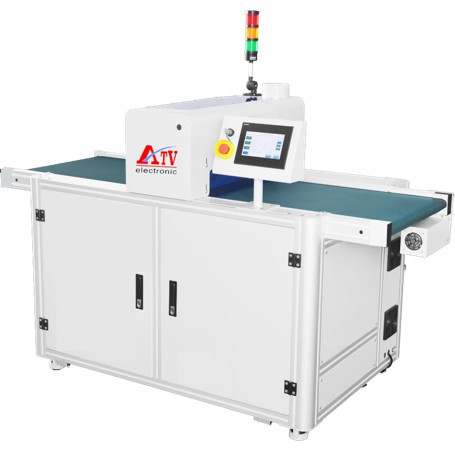
The belt - type equipment uses a belt to move the material through the plasma treatment area. It's great for continuous treatment of long materials. But the roller design in our Atmospheric Roller Plasma Equipment can provide more control over the movement of the material. The rollers can be adjusted to different speeds and pressures, which gives us more flexibility in the treatment process.
The conveyor - type equipment is similar to the belt - type, but it usually has a more rigid structure. The roller design in our equipment can be more adaptable to different material shapes and sizes. We can change the rollers easily to fit different treatment requirements.
Real - World Applications
In real - world applications, the roller design in Atmospheric Roller Plasma Equipment has a huge impact. For example, in the automotive industry, it's used to treat plastic parts before painting. The right roller design can ensure that the surface of the plastic is properly prepared, which improves the adhesion of the paint.
In the textile industry, it can be used to modify the surface of fabrics. A well - designed roller can treat the fabric evenly, which enhances its performance, like making it more water - repellent or stain - resistant.
Conclusion
So, as you can see, the roller design in Atmospheric Roller Plasma Equipment has a profound effect on the treatment effect. From the material and diameter of the roller to its surface texture and speed, every aspect plays a role in how well the equipment works.
If you're interested in our Atmospheric Roller Plasma Equipment or have any questions about how it can meet your specific treatment needs, don't hesitate to reach out. We're here to help you find the best solution for your business.
References
- Some research papers on plasma surface treatment technology
- Industry reports on the application of plasma equipment in different sectors