

Can Atmospheric Belt - Type Plasma Equipment be used for metal surface treatment?
Sep 07, 2026
Hey there! I'm a supplier of Atmospheric Belt-Type Plasma Equipment, and I've been getting a lot of questions lately about whether this cool piece of tech can be used for metal surface treatment. Well, let's dive right in and explore this topic.
First off, what exactly is Atmospheric Belt-Type Plasma Equipment? It's a nifty machine that can generate plasma under normal atmospheric conditions. Unlike some other plasma equipment that needs a vacuum environment, this one can work right in the open air. You can check out more details about it on Atmospheric Belt-Type Plasma Equipment.
So, can it be used for metal surface treatment? The answer is a big yes! And here's why.
How Plasma Works for Metal Surface Treatment
Plasma is often called the fourth state of matter. It's made up of ions, electrons, and neutral particles. When you use Atmospheric Belt-Type Plasma Equipment on a metal surface, the high - energy particles in the plasma interact with the metal in several ways.

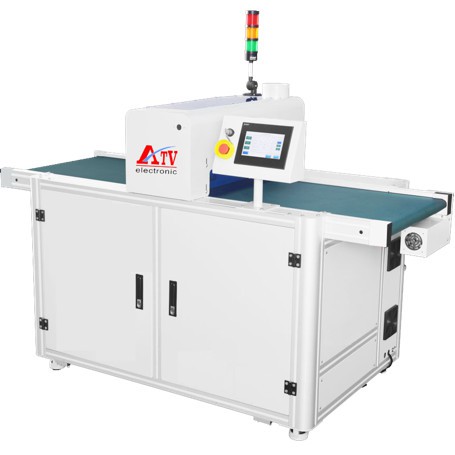
One of the main things is cleaning. Metals often have a thin layer of contaminants on their surface, like oils, greases, and oxides. The plasma can break down these contaminants. The high - energy ions in the plasma can physically bombard the surface, knocking off the unwanted particles. At the same time, the reactive species in the plasma, like free radicals, can chemically react with the contaminants, turning them into volatile compounds that can be easily removed.
Another important aspect is surface activation. Metals usually have a relatively inert surface, which can make it difficult for coatings or adhesives to bond well. Plasma treatment can change that. By creating a more reactive surface, the plasma can increase the surface energy of the metal. This means that coatings and adhesives will spread more evenly and bond more strongly to the metal surface.
Advantages of Using Atmospheric Belt - Type Plasma Equipment for Metal Surface Treatment
Cost - effectiveness
Since this equipment operates under normal atmospheric conditions, there's no need for expensive vacuum chambers and associated equipment. This significantly reduces the initial investment and the operating costs. You don't have to worry about maintaining a vacuum, which can save a lot of money in the long run.
High - speed processing
The belt - type design allows for continuous processing of metal parts. You can just load the metal pieces onto the belt, and the plasma treatment will happen as the belt moves. This makes it much faster compared to some batch - type processing methods. It's great for large - scale production where you need to treat a lot of metal parts quickly.
Environmental friendliness
Plasma treatment is a dry process. There's no need for harsh chemicals or solvents, which are often used in traditional metal surface treatment methods. This not only reduces the environmental impact but also makes the workplace safer for the operators.
Applications in Different Metal Industries
Automotive Industry
In the automotive industry, metal parts need to be treated to ensure good adhesion of paints and coatings. Atmospheric Belt - Type Plasma Equipment can be used to treat engine components, body panels, and other parts. By improving the surface properties of these metals, the paint and coating will last longer, and the overall quality of the vehicle will be enhanced. You can learn more about related plasma treatment equipment like Atmospheric Conveyor - Type Plasma Equipment which also has some similar applications.
Electronics Industry
Metals are widely used in the electronics industry, such as in circuit boards and connectors. Plasma treatment can help clean the metal surfaces and improve the bonding between the metal and other materials, like solders or polymers. This can improve the reliability and performance of electronic devices.
Aerospace Industry
In the aerospace field, the quality and reliability of metal parts are of utmost importance. Plasma treatment can be used to treat metal components to improve their corrosion resistance and fatigue life. The high - precision treatment provided by Atmospheric Belt - Type Plasma Equipment can meet the strict requirements of the aerospace industry. And if you're interested in other types of atmospheric plasma equipment, Atmospheric Roller Plasma Equipment might also be worth a look.
Challenges and Considerations
Of course, like any technology, there are also some challenges and things to consider when using Atmospheric Belt - Type Plasma Equipment for metal surface treatment.
One challenge is the uniformity of treatment. Since the plasma is generated in an open - air environment, it can be a bit tricky to ensure that every part of the metal surface gets the same level of treatment. However, with proper design and optimization of the equipment, this issue can be minimized.
Another consideration is the type of metal. Different metals have different properties, and the plasma treatment parameters need to be adjusted accordingly. For example, some metals may be more reactive to plasma than others, and the treatment time and power need to be carefully controlled to avoid over - treatment or under - treatment.
Conclusion
So, to sum it all up, Atmospheric Belt - Type Plasma Equipment can definitely be used for metal surface treatment. It offers a lot of advantages, such as cost - effectiveness, high - speed processing, and environmental friendliness. It has a wide range of applications in different metal industries.
If you're in the business of metal surface treatment and are looking for a more efficient and effective way to treat your metal parts, I highly recommend considering Atmospheric Belt - Type Plasma Equipment. Whether you're a small - scale manufacturer or a large - scale industrial giant, this equipment can bring significant benefits to your production process.
If you're interested in learning more about our Atmospheric Belt - Type Plasma Equipment or want to discuss a potential purchase, feel free to reach out. We're always happy to have a chat and see how we can help you take your metal surface treatment to the next level.
References
- Brown, S. C. (1966). Introduction to Plasma Physics. John Wiley & Sons.
- Lieberman, M. A., & Lichtenberg, A. J. (2005). Principles of Plasma Discharges and Materials Processing. Wiley - Interscience.
- Roth, J. R. (1995). Industrial Plasma Engineering, Volume 1: Principles. Institute of Physics Publishing.